Kirk Deeter’s Lesson on Presentation

By Kirk Deeter

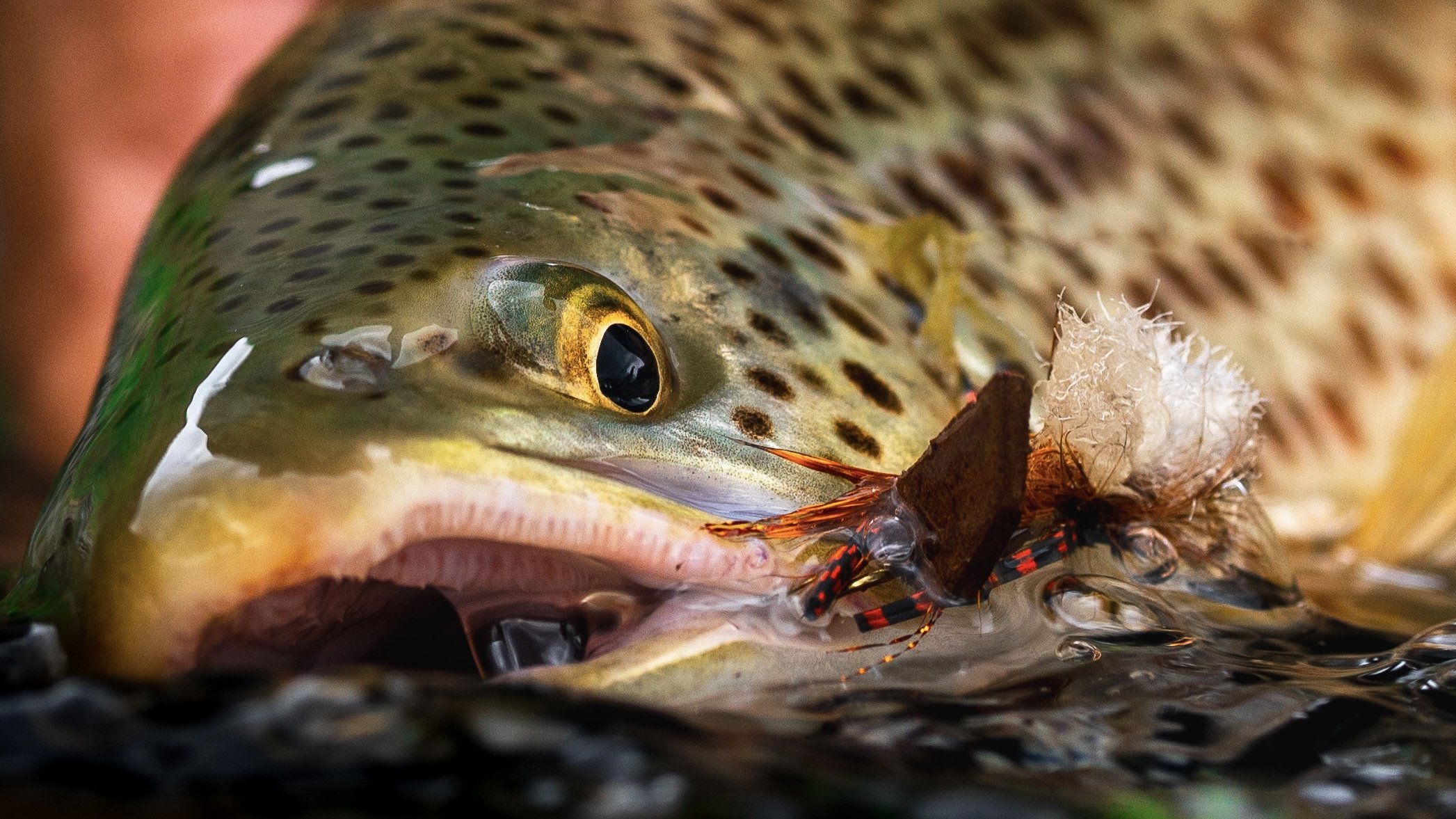
Excerpt from the winter issue: “Presentation. Well, that’s simple. Trout like to eat insects that are hapless and drifting at the whim of the river current. The dun dry fly has just shed its shuck and is most vulnerable as it dries its wings before taking off. You must spoon-feed those duns to trout, and even a bit of subtle micro-drag can kill your chances. Likewise, spinners have mated, fallen and are essentially dead when they hit the water. Trout know this. Spinners should drift at the whims of the currents.

Read More

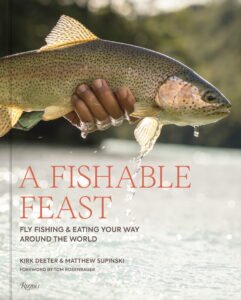
A Fishable Feast: Fly Fishing and Eating Your Way Around the World

A Fishable Feast: Fly Fishing and Eating Your Way Around the World is more than a fly-fishing book.

From crystal-clear trout streams to sunlit saltwater flats, untamed jungles and rushing mountain rivers, this beautifully crafted volume by acclaimed author Kirk Deeter and Matthew Supinski explores the cultures, cuisines, geography and history that make fly fishing such a rich and meaningful pursuit.

Featuring a foreword by Tom Rosenbauer, the book blends storytelling, destination and culinary exploration into a global celebration of the angling life.

Read More

Kirk Deeter’s Lesson on Fighting Fish

By Kirk Deeter

Excerpt from the winter issue: “A seasoned guide is used to saying things like ‘tip up’ and ‘let ‘em run’ over and over again. And in most cases, that’s really solid advice, in so much as the goal is to avoid having the fish make a run and break you off. But the truth is that a 9-foot fly rod is a lever that helps the fish as much as it helps the angler.

Read More

Kirk Deeter’s Lesson on Picking Bugs

By Kirk Deeter

Excerpt from the current issue: “Contrary to all the dogma about specific colors and fly patterns and all that, what it usually (really) boils down to is shape and profile. And that’s true whether you’re spoon-feeding emergers to selective trout, trying to match baitfish roosterfish are chomping in Baja, or throwing shrimp or crab patterns at bonefish or permit somewhere on the flats. Do fish see colors?

Read More

Circus Peanut | Al Ritt

Throwback to the first season of the Fly Fusion Series with Al Ritt on the vise. Filmed on location at Island Lake Lodge, nestled in the heart of the Rockies in the Kootenay region of British Columbia.

The Distance Cast

By Jeff Wagner, Field Editor, Fly Fusion

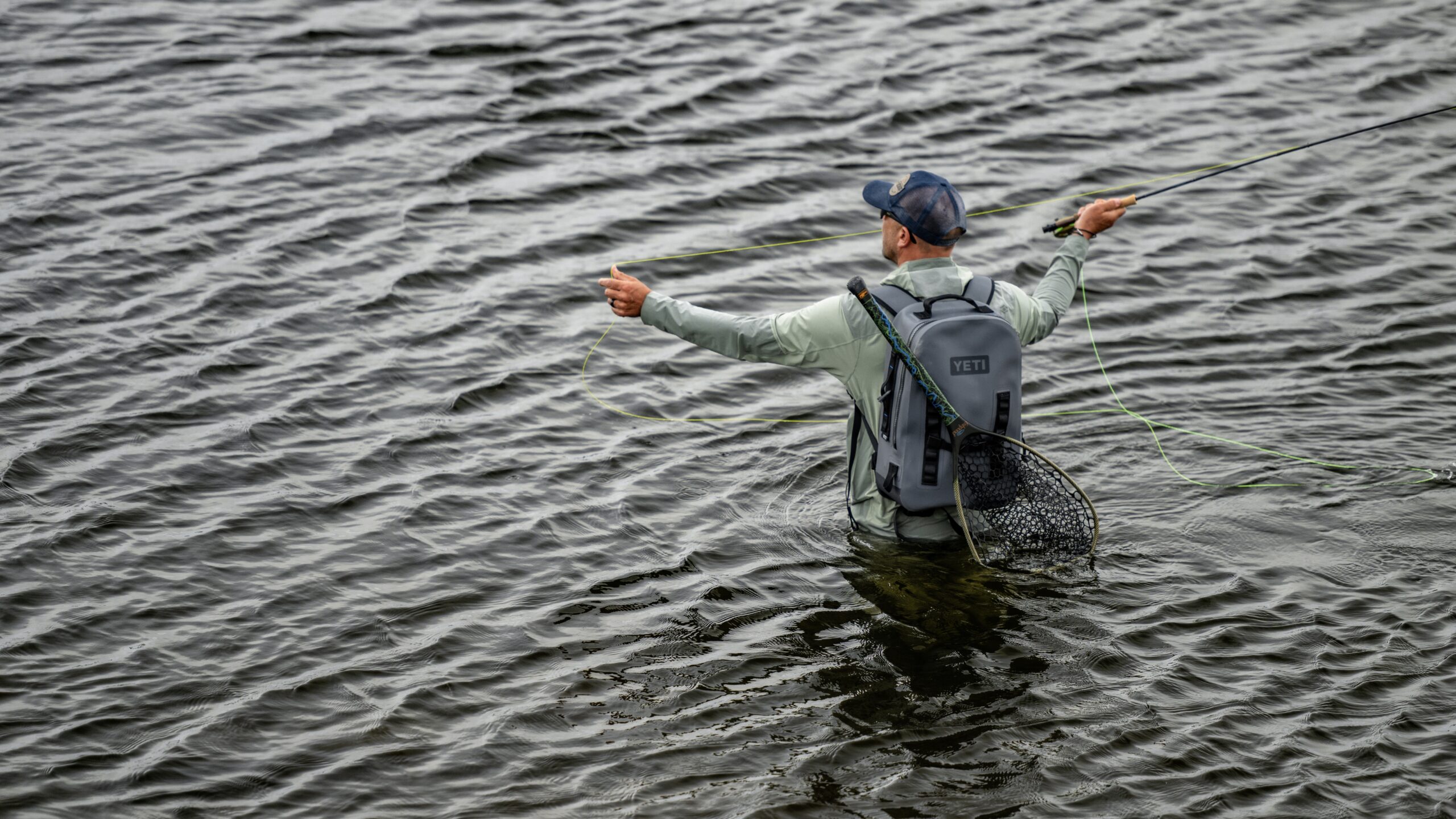
As many of you know, one of my favourite topics is distance casting, so it’s not by chance that one of my first casting videos was on, you guessed it – distance casting. It’s been a while since I’ve discussed that, and it’s always worth revisiting. This article is intended to provide more detail on the same topic.

Read More

The Trout System

By Jeremy Davies
All Photos © Frank Brassard

If you look at the first trout system and compare it with the new collection of flies featured in the Summer 2025 issue, you’ll see an evolution and an improvement in the patterns. Every year, Jeremy Davies goes on the hunt for new materials — testing new hooks, beads, dubbing, and other products that will enhance our time and success on the water. Below are 6 bonus patterns for your tying. Pick up the Summer issue to see 20 more innovative flies you will want to add to your fly box.

Read More

Jim McLennan Talks Streamers (Part 2)

In this Fly Fusion Magazine podcast, Jim McLennan and Derek Bird continue their discussion about streamer fishing. This is part two of a two part podcast (click here if you missed part one) and in today’s instalment they talk about cutting down on leader length, how to adjust the casting stroke for heavy flies, and Jim’s aversion to rabbit strip streamers.


Jim McLennan Talks Streamer Fishing

In this Fly Fusion Magazine podcast, Jim McLennan and Derek Bird talk about a variety of streamer techniques. This is part one of a two part podcast and in today’s instalment they cover fishing streamers from a drift boat, swinging streamers and dead drifting streamers. Visit us again tomorrow for part two when Jim and Derek finish up their conversation by discussing how to adjust the casting stroke for heavy flies and Jim’s aversion to rabbit strip streamers.

Image: Paula Shearer


Landon Mayer on Shoot Mending

A basic mend involves moving the rod tip in a half-circle motion that positions fly line upstream of the leader, flies, or indicator. This removes the tension applied by the moving current and helps you improve the depth and control of your presentation. The downside of the basic mend is how long it takes to perform, and the water-disturbing and fish-disturbing movement it imparts to the fly.

When I was younger, I not only spent as much time on the water as I could, but I read every fly-fishing book on the shelf over and over again. I also watched instructional videos. Doug Swisher, who presented his Mastery Series of videos with Scientific Anglers, is one of my teaching idols. In his video on selective trout, he demonstrates the stack mend for use with sinking flies. It’s performed by throwing a mini-cast with a “micro-second wrist” toward the flies or indicator. This places slack line out near the fly where it is most beneficial. Several stack mends are made in quick succession, which allow the fly to sink quickly and drift naturally.

Years ago I started using the same method with a sideways approach to replace the standard mend. I call it “shoot mending.” I make the same micro-second-wrist cast with the tip of the rod moving forward only one foot. I then lift the rod up two to three feet to allow clearance for the line. Then, by quickly making one or two mends while the line is in the process of shooting, I get a mend that’s already in place when the line lands on the water. It’s also a very effective technique for shooting mends through wind and over chop in still waters without taking the indicator or dry fly away from the target.